


Lynn Hsu


Curiosity is at the heart of Lynn Hsu’s cartooning practice, guiding how she finds humor in everyday life. As a cartoonist for The New Yorker, she explores the funny, absurd, and unexpected through close observation and simple “what if” scenarios. Her drawing and writing exercises encourage creativity and help people sharpen their attention and discover new, playful ways of seeing.


Guided Practice with

Seeing Like a Cartoonist
You don’t need to be an artist to see like a cartoonist. With Lynn Hsu as your guide, these short 2–5 minute exercises help you loosen up, observe more closely, and discover how imagination, perspective, and a little absurdity can make the world feel more alive.
Related Discoveries

How to laugh online in different languages
From “55555” in Thailand to “MDR” in France, digital laughter speaks a thousand languages—how do you LOL?

Satire on canvas
Apes in suits, a boy climbing out of a canvas, and a mustachioed Mona Lisa: explore how artists use humor to provoke and entertain.

The world’s first comedy films
Before there were talkies, there was Chaplin’s charm and Keaton’s stoicism. Discover what made silent comedy unforgettable.

Philosophers on laughter
Some philosophers feared it; others swore by it. Consider laughter’s surprising place in human history and health.
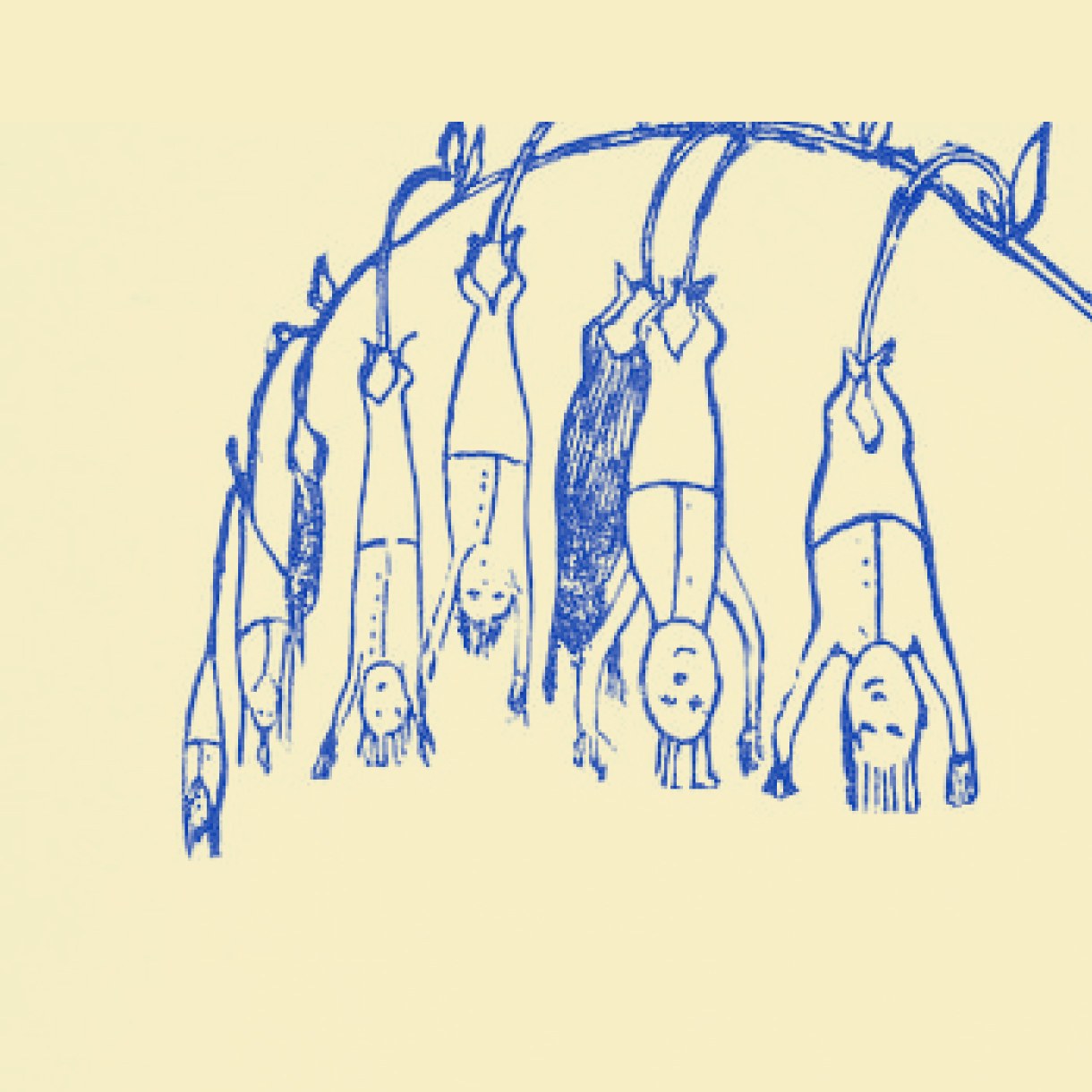
Edward Lear’s delightful nonsense
Limericks, invented species, and invented words—Lear’s creations surprise at every turn. Discover the joy of literary nonsense.
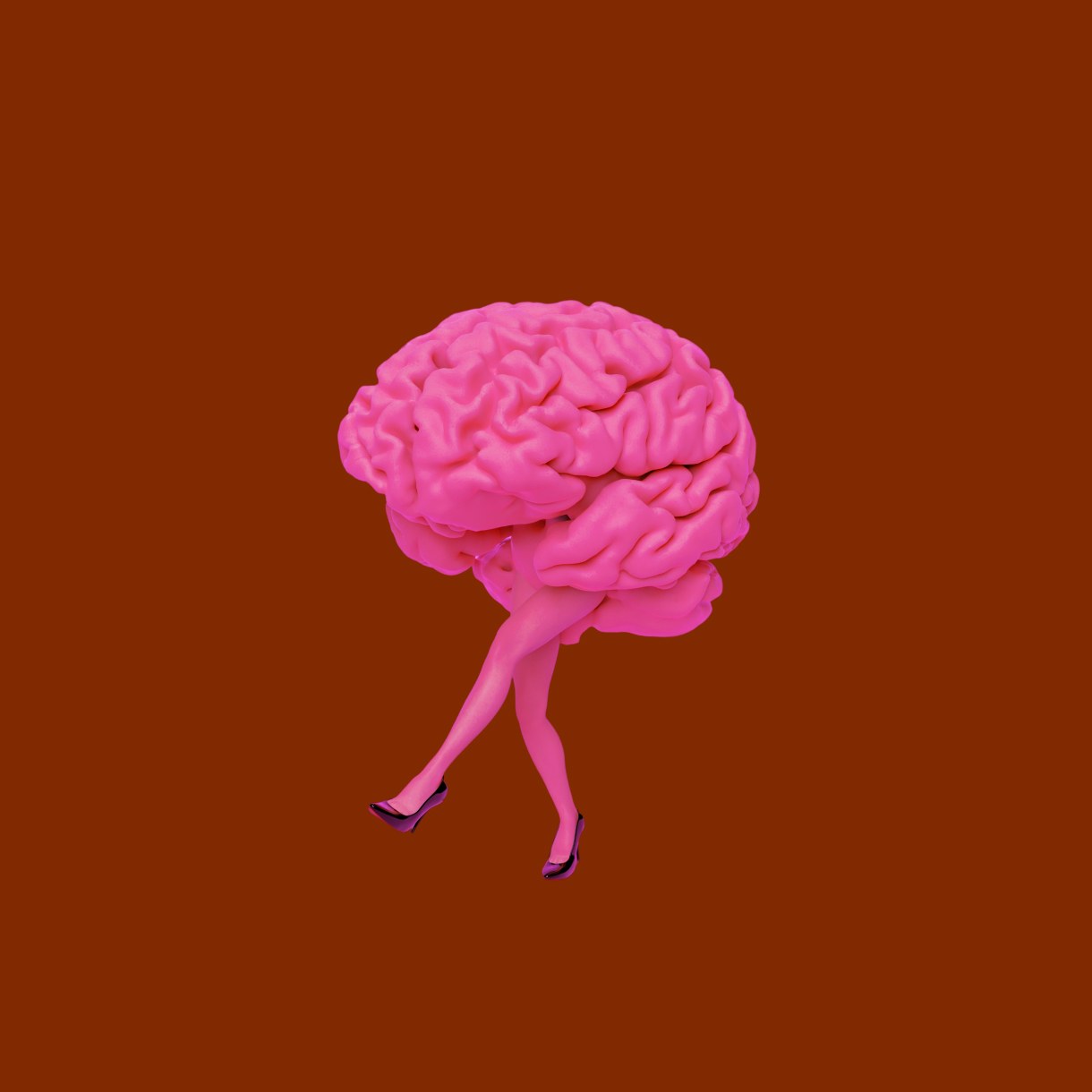
Why laughter is the best medicine
Humor can connect or deflect, uplift or undermine. Reflect on the four humor styles and discover which one fits you best.

What’s your humor style?
Humor can connect or deflect, uplift or undermine. Reflect on the four humor styles and discover which one fits you best.


