


Anne-Kathrin Eiselt


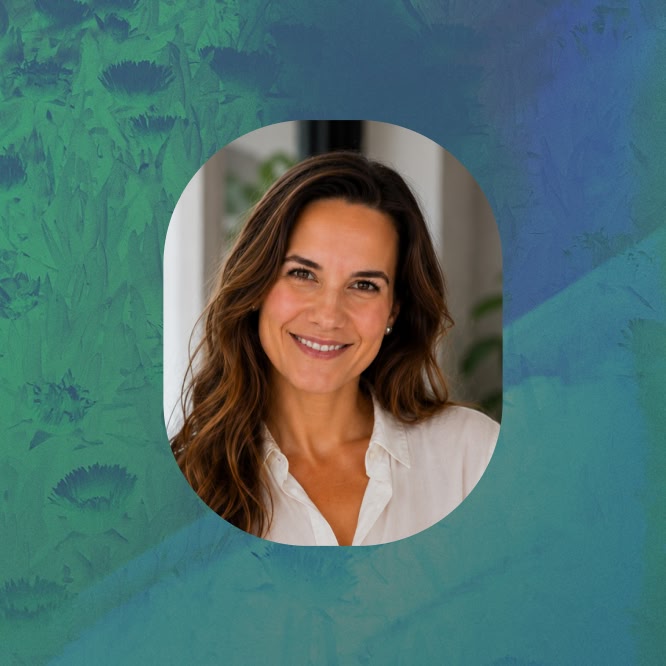
Dr. Anne-Kathrin Eiselt is a behavioral neuroscientist and educator fascinated by the hidden psychology of how we experience the world. She teaches psychology at George Washington University and advises organizations on designing healthcare and technology experiences that work with the human brain rather than against it.
For nearly two decades, her work has been guided by the question: Why can two people share the same experience and walk away having lived something completely different? From patients navigating complex health decisions to students discovering new ways of understanding themselves and others, to people embracing or rejecting AI tools, she has seen how attention, assumptions, and beliefs quietly shape the experience of the world.
Through her consulting work, Anne-Kathrin helps organizations translate behavioral science into products, services, and experiences that are more human-centered, engaging, and effective. Whether she's helping someone to better understand themselves or helping organizations better understand the people they serve, she hopes her work leaves people with a deeper sense of curiosity about the world around them and the fascinating minds through which they experience it.

Guided Practice with
Curious Attention (coming soon)
This practice invites you to get curious about how your mind constructs experience. Through brief reflection prompts, you’ll notice what captures your attention, what you assume, what you miss, and how small shifts in awareness can change the way you experience yourself, others, and the day ahead.
Related Discoveries
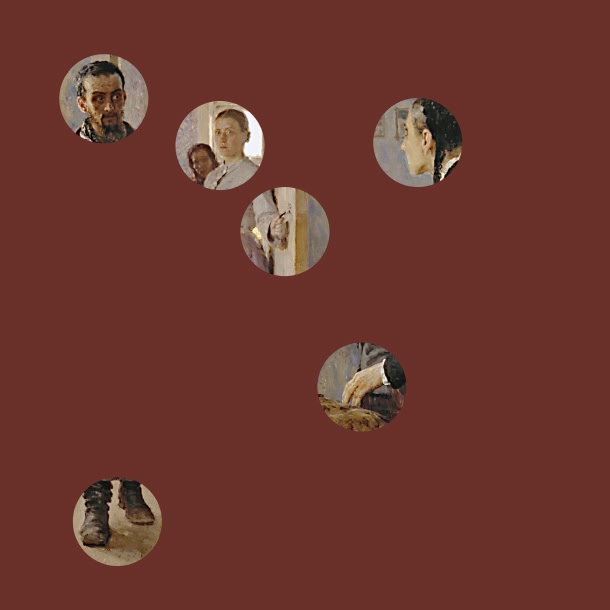
Learning to see
Like a skilled director, attention guides our gaze, revealing the captivating stories hidden within the mundane.
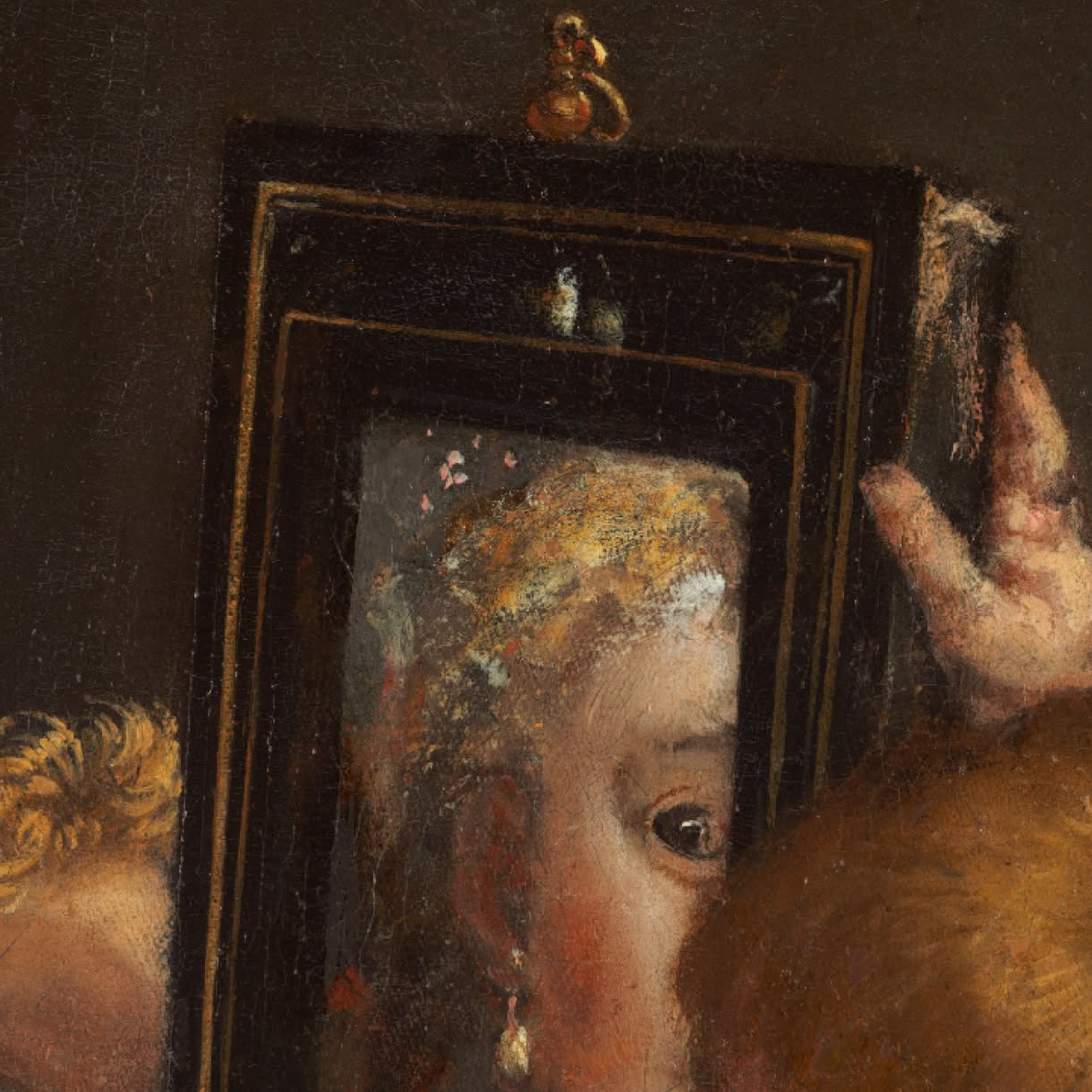
The Venus effect
When reflection fools perception: discover how a simple mirror can reveal our hidden assumptions.
The psychology of object perception
Ever searched for your keys only to find them hiding in plain sight? Discover why we miss objects that are right in front of us.
How your brain creates meaning
What feels like meaning might just be chance. Reflect on four mental patterns and how they shape your reality.
Experience the Stroop effect
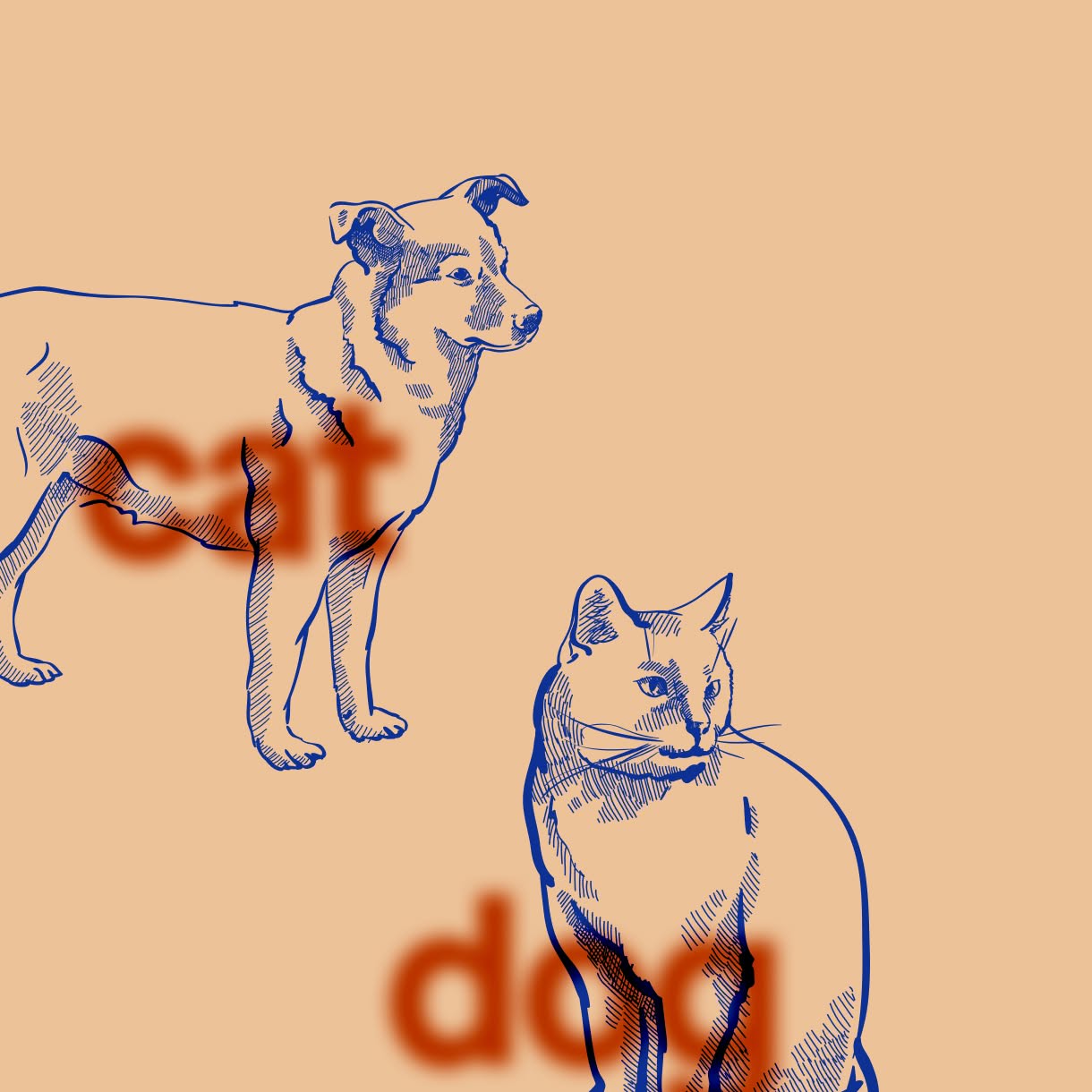
A simple test reveals how automatic reading can disrupt focus. Consider what this tension says about habits and attention.
Deluding ourselves
No matter how hard we strive for objectivity, cognitive biases get in the way. How can awareness of our biases help us overcome them?


